
Greater Seattle Real Estate – September 2026
Northwest MLS Real Estate Report
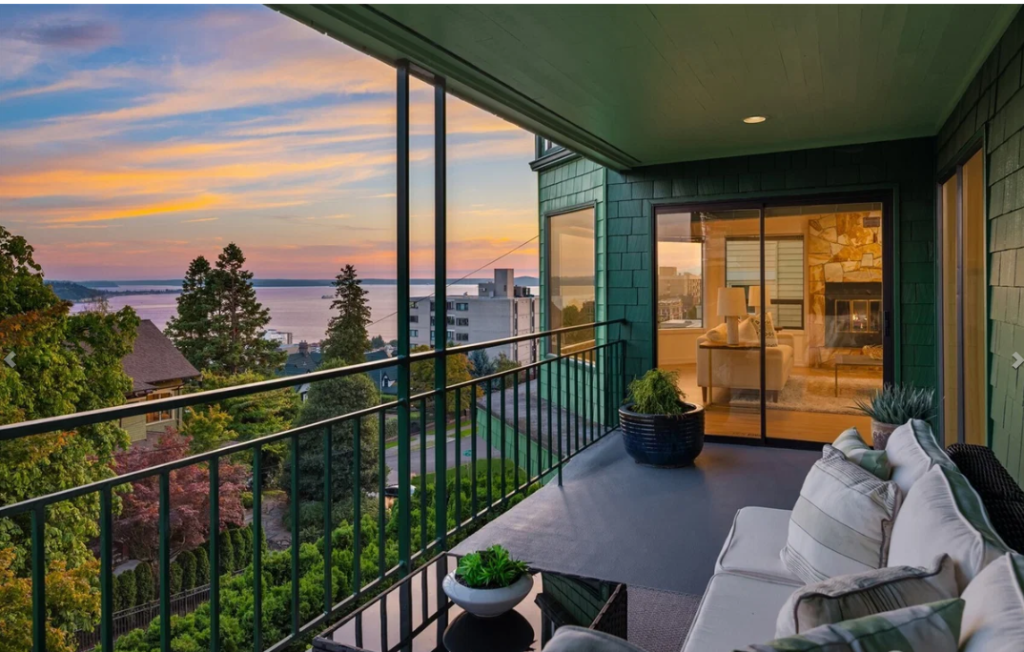
The Northwest Multiple Listing Service (NWMLS), which tracks real estate in Seattle and much of Washington, showed a trend that continued in September with more inventory than in previous years. While buyer activity has not disappeared, the significant increase in available homes has created a more favorable environment for buyers. As a result properties are taking longer to sell (4.4 months vs 3.3 months last year). Ironically prices remain relatively steady. NWMLS median home prices are down only slightly, about 1%, from $650,000 to $643,000.
In King County there were substantial increase in available residential inventory during September. This gave buyers considerably more choices than they had a year ago. For example, active residential listings climbed to 5,578, up 35.9% from 4,103 in September of last year. A big reason for this was new listings increased. 3,236 homes entering the market compared to 2,788 during the same month last year, representing a 16.1% increase. On the other hand, closed residential sales totaled 1,362 in September, down from 1,488 during the same month last year, representing an 8.5% decrease. Thus, this September there were 3,236 new listings and 1,362 sales causing inventory to surge (note pending sales and cancelled listings also affect inventory). King County condo sales saw an even sharper decline, with 352 closed sales last month compared to 464 in September of last year, a drop of 24.1%.
Overall, the residential market is showing clear signs of becoming more balanced. Buyers have more inventory to choose from and more time to make decisions. At the same time, sellers are facing increased competition and longer market times. However, the relatively modest change in home prices suggests that the market is adjusting gradually rather than experiencing a dramatic correction. The shift becomes even more noticeable when looking at the condo market, where inventory, sales, and time to sell are showing an even slower sub-market.
Seattle Luxury Market
Following is a more detailed look at luxury real estate and waterfront homes in Seattle for the past month.
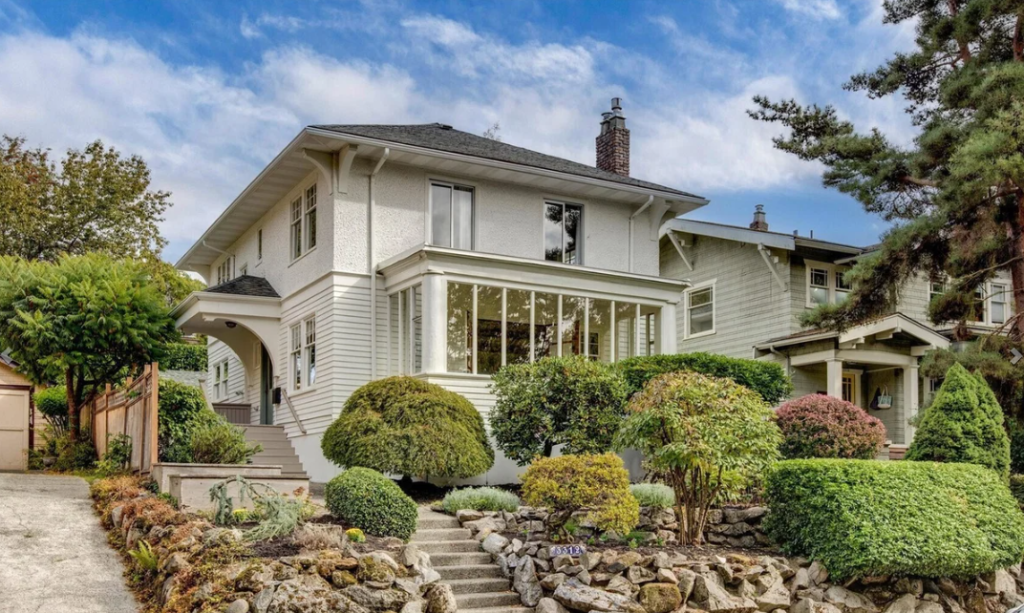
Luxury home sales remained active across King County in September, with 169 residential properties selling for more than $2 million. While this is less luxury home sales than last year (186), it is on par with the year prior (167). This September, Eastside accounted for 83 of those sales, representing nearly half of all luxury transactions in the county.
September’s highest residential sale reached $16.7 million for a property in Sammamish, followed by an $11 million sale in Clyde Hill. Both of these sales are higher than any sale for the last two Septembers.
On the contrary to the overall residential market, the continued volume of $2 million-plus transactions shows that demand for high-end properties remains strong across the region.
Luxury Condos
The condominium market saw an even more pronounced shift in September. Inventory rose, sales activity slowed, and condos took significantly longer to sell across King County. Active condo listings increased to 2,480 last month, up from 2,043 last September. This represented a 21.4% increase. For buyers, that means considerably more options are available.
The biggest change, however, can be seen in how long condos are staying on the market. The average time to sell jumped from 4.4 months last September to 7.1 months this year—a 61.4% increase. That is nearly three additional months on the market in just one year. Thus buyers have substantially more time to compare properties, negotiate, and wait for the right opportunity.
Sales activity has also declined alongside the increase in inventory. There were 352 closed condo sales in September compared to 464 during the same month last year, representing a 24.1% decrease. At the same time, the median condo sales price in King County fell from $527,500 last year to $496,000 this September, a decline of approximately 6.0%. The combination of fewer sales, higher inventory, longer market times, and softer prices makes the shift in the condo market particularly noticeable.
At the luxury level, however, there is still activity at the top of the market. Of the 350 condo sales recorded in September, five were priced above $2 million (compared to 6 last year). The highest-priced condo sale reached $5 million for a luxury residence at Bellevue Square. Once again, this was the highest sales price in the month of September when comparing it with the last two Septembers. This highlights that demand for high-end condominium properties remains present even as the broader condo market becomes increasingly buyer-friendly.
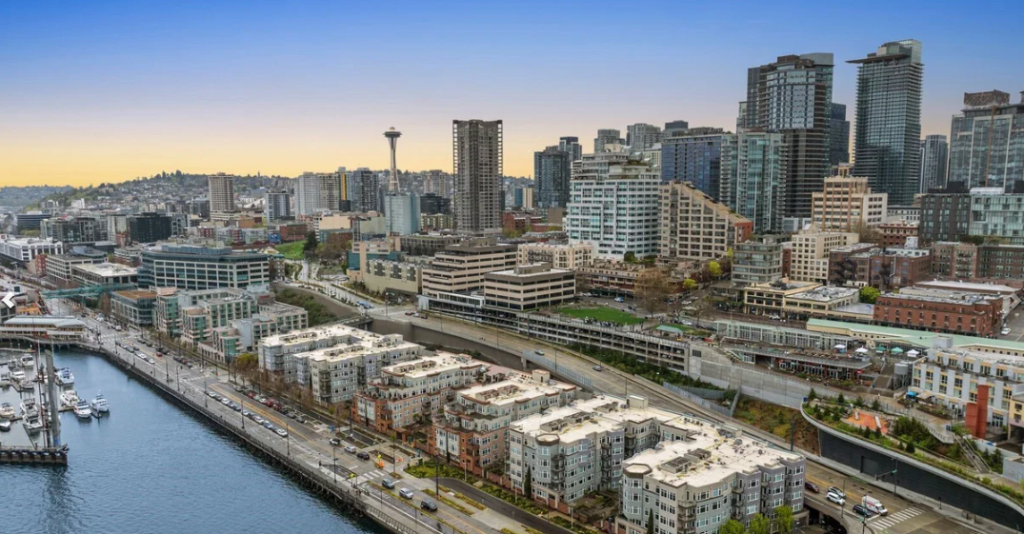
What does this mean for the Greater Seattle market?
The most interesting takeaway from September’s data is not simply that the market is shifting toward buyers. That trend is clear. What is more interesting is how the market is absorbing that shift. Inventory has increased substantially, sales have slowed, and properties are taking considerably longer to sell. Yet residential prices have remained remarkably stable. The adjustment is happening, but so far, it is showing up more in market velocity than in price.
The condo market is interesting. Is it a foreshadowing of the overall market or is it just an extreme example of what happens in a market slowdown? With the increase in market time and inventory accompanied by a more noticeable decline in median price. Thus, it reinforces that the market is not moving as one unit. Different property types and price segments are responding to changing conditions at different speeds. Continued activity in the luxury market further supports that point.
Overall, September looks less like the beginning of a traditional price correction and more like a rebalancing in progress. The key question now is whether the market can continue absorbing elevated inventory through longer selling timelines, or whether persistent supply eventually creates more meaningful downward pressure on prices.
For now, the data suggests buyers have considerably more leverage than they did a year ago. In addition, sellers are not yet being broadly forced to capitulate on price. The next phase of the market will be determined not simply by how much inventory is available, but by whether that inventory begins translating into meaningful changes in what buyers are ultimately willing to pay.